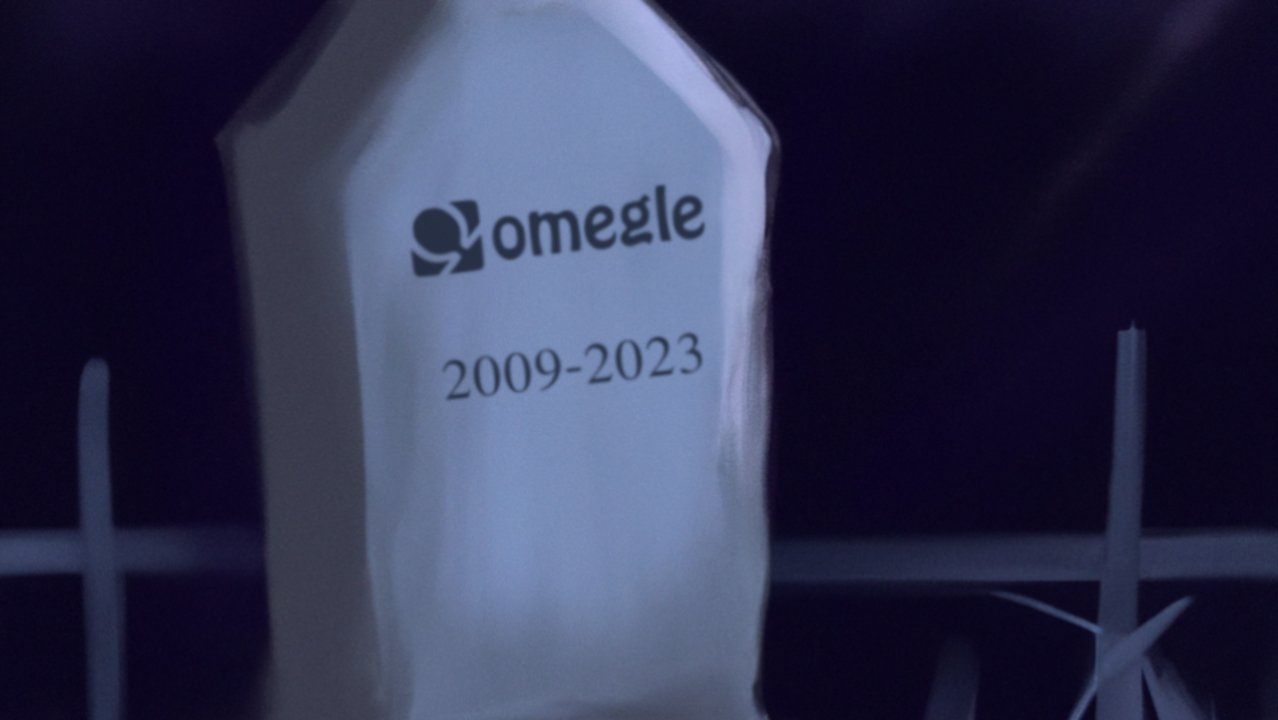
Omegle's Shutdown: Why the Anonymous Chat Platform Closed in 2023
For nearly 15 years, Omegle stood as a digital frontier for spontaneous, unfiltered human connection. Launched in 2009, this anonymous chat platform carved out a unique niche, pairing users worldwide for one-on-one text or video conversations with absolute strangers. However, on November 8, 2023, Omegle permanently closed its doors, marking the end of an era for unmoderated stranger-to-stranger communication online. The shutdown wasn't sudden or arbitrary; it was the culmination of escalating financial burdens, profound psychological strain on its founder, and unrelenting legal pressures stemming from widespread abuse claims.
The Rise and Appeal of Omegle: A Vision of Unfiltered Connection
Omegle was conceived in March 2009 by an 18-year-old high school student named Leif K-Brooks, from Brattleboro, Vermont. Frustrated with the structured nature of existing online social connections, K-Brooks envisioned a platform that celebrated pure internet-driven curiosity and the thrill of the unknown. His creation was simple, yet revolutionary: a free, web-based service that randomly paired anonymous users for conversations, without requiring any registration, accounts, or disclosure of personal details. Its iconic tagline, "Talk to Strangers!", perfectly encapsulated its minimalist design and core appeal.
Initially, Omegle operated as a text-only chat service. Its immediate success demonstrated a significant demand for spontaneous, unfiltered interactions. Within weeks of its launch, the platform garnered media attention and attracted a massive user base, particularly among adolescents and young adults seeking novel social encounters. K-Brooks single-handedly managed all aspects of its development and operations in these nascent stages, fueling its rapid growth.
The platform's appeal expanded significantly with the introduction of video chat capabilities. This feature allowed users to engage in face-to-face conversations, intensifying the feeling of raw, unscripted connection. To enhance user experience while attempting to mitigate some of the early misuse, Omegle later introduced features like interest-based matching, allowing users to connect with strangers who shared similar hobbies or topics of discussion. Despite these additions and some basic, evolving filters implemented by K-Brooks, the fundamental design prioritizing unrestricted anonymity remained the cornerstone of the
platform's 14-year run.
The Inherent Dangers: A Platform Plagued by Misuse
While Omegle's anonymity was its defining characteristic and source of appeal, it also proved to be its Achilles' heel. The very features that made it popular – no registration, random pairing, and unrestricted interaction – created an environment ripe for misuse and abuse. Over its long operation, the platform became increasingly synonymous with widespread exposure to explicit content, harassment, and predatory behavior.
Escalating Abuse and Predatory Behavior
The absence of robust moderation and the cloak of anonymity allowed bad actors to thrive. Users, particularly minors, were frequently exposed to pornography, hate speech, and online harassment. More disturbingly, Omegle became a known haven for child grooming and sexual exploitation. Predatory individuals exploited the platform's design to target vulnerable users, leading to devastating real-world consequences. Despite founder Leif K-Brooks' investments in moderation technologies, the sheer scale of content and the sophisticated methods employed by abusers made comprehensive oversight an insurmountable challenge. The platform's interface, which allowed users to quickly jump between chats, further facilitated this problem, as abusers could cycle through countless individuals until they found a suitable target.
Legal Battles and Mounting Pressure
The pervasive issues on Omegle inevitably led to significant legal repercussions. The platform faced multiple lawsuits accusing it of facilitating abuse, with many alleging that its design directly contributed to the harms suffered by victims. One high-profile case involved a minor victim and was reportedly settled just before Omegle's ultimate shutdown, underscoring the direct causal link between the platform's lax oversight and severe real-world harms. These legal battles not only carried immense financial costs but also imposed a substantial psychological strain on K-Brooks, who had, for years, single-handedly navigated the moral and ethical dilemmas inherent in running such a platform. The constant legal threats and the grim reality of the abuse occurring on his platform became an unsustainable burden. For more on this, consider reading
The Dark Side of Omegle: Anonymity, Abuse, and Its Legacy.
The Inevitable End: Why Omegle Became Unsustainable
On November 8, 2023, Leif K-Brooks made the solemn announcement: Omegle would be permanently closing down. His statement elaborated on the complex reasons behind this difficult decision, painting a picture of a founder overwhelmed by the insurmountable challenges.
The Cost of Moderation and Legal Liabilities
K-Brooks explicitly stated that operating Omegle had become financially unsustainable. The cost of content moderation, even with AI and human oversight, had grown astronomically. Dealing with millions of users and countless interactions daily required immense resources to even attempt to filter out harmful content. Beyond operational costs, the mounting legal pressures from numerous abuse claims and lawsuits created an existential threat. Each legal battle was not just a financial drain but also a significant diversion of energy and focus. The founder acknowledged the "unrelenting legal pressures" as a primary factor, highlighting that the economic realities of trying to operate a truly anonymous platform safely had simply become too great.
Furthermore, K-Brooks spoke candidly about the *psychological strain* he endured. Building and running a platform that facilitated both positive connections and horrific abuses took a profound personal toll. The constant awareness of the harms occurring on his creation, coupled with the relentless demands of its operation and defense, made it an unbearable endeavor.
A Legacy of Unmoderated Interaction
Omegle's closure signifies more than just the end of a website; it represents the "end of an era for unmoderated stranger-to-stranger communication online." Its existence raised crucial questions about internet freedom, anonymity, user safety, and the responsibilities of platform creators. While it provided a space for genuine, spontaneous interactions for some, its legacy is undeniably marred by the widespread exploitation and harm it enabled. The platform's journey serves as a stark reminder of the delicate balance between promoting free expression and protecting users from harm in the digital age.
Beyond Omegle: What's Next for Anonymous Chat?
Omegle's shutdown does not eliminate the fundamental human desire for spontaneous, anonymous interaction. Instead, it shifts the landscape and underscores the critical need for a new approach. The vacuum left by Omegle will likely be filled by other platforms, but the expectation for safety and accountability will be higher than ever.
The Quest for Safer Online Spaces
The future of anonymous chat must prioritize robust safety measures from the ground up, moving beyond Omegle's reactive, often insufficient, moderation efforts. This includes:
- Advanced AI Moderation: Leveraging cutting-edge artificial intelligence to detect and prevent harmful content in real-time, learning from vast datasets of problematic interactions.
- User Reporting and Trust & Safety Teams: Empowering users to report abuse effectively and backing it up with dedicated human teams who can respond swiftly and decisively.
- Ethical Design Principles: Designing platforms with safety in mind, making it harder for predators to operate while still allowing for genuine connections. This might involve age verification, temporary bans for suspicious activity, or even limited anonymous interaction until a certain trust level is established.
- Transparency and Accountability: While preserving user anonymity in interactions, platforms themselves must be transparent about their safety protocols and accountable for their implementation.
For users seeking anonymous online interaction, it's crucial to exercise extreme caution. Remember that anonymity provides a shield for both good and bad actors. Always prioritize your personal safety and privacy. Be wary of sharing personal information, even seemingly innocuous details, and trust your instincts if an interaction feels uncomfortable or threatening. The lesson from Omegle is clear: the pursuit of unfiltered connection must always be balanced with an unwavering commitment to user protection.
Conclusion
Omegle's journey from a pioneering anonymous chat platform to its ultimate shutdown in 2023 is a poignant narrative of the internet's dual nature. While it offered a unique space for spontaneous human connection, its foundational design, which prioritized unrestricted anonymity, ultimately made it a breeding ground for abuse and exploitation. Leif K-Brooks' decision to close Omegle reflects the immense, and ultimately unsustainable, challenges of moderating a truly anonymous global platform in the face of escalating legal pressures, financial burdens, and profound psychological toll. Its closure marks a significant moment, prompting a global conversation about the future of online anonymity, the responsibilities of platform creators, and the paramount importance of user safety in the digital realm. The era of unchecked anonymous interaction may be over, but the quest for meaningful and safe online connections continues.